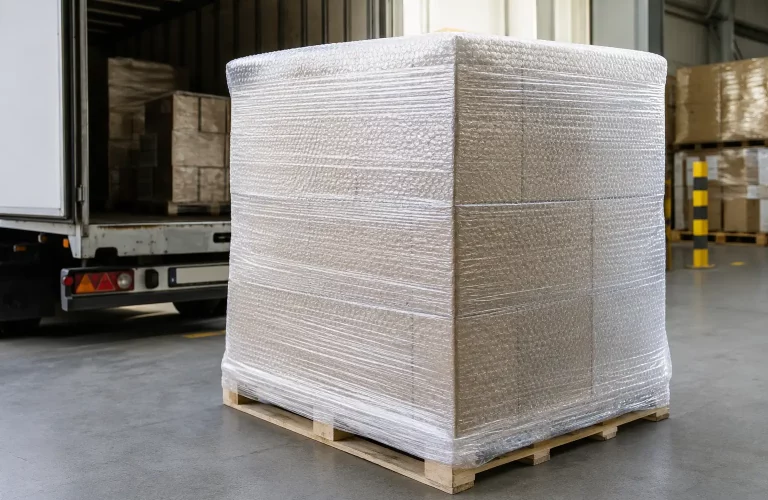
Maintaining the correct temperature during transportation does not always require a refrigerated truck. In many shipments, particularly over short and medium distances, it is possible to preserve the cold chain by using insulating materials that reduce heat transfer between the goods and the external environment. At Foamland, we have been manufacturing …

News
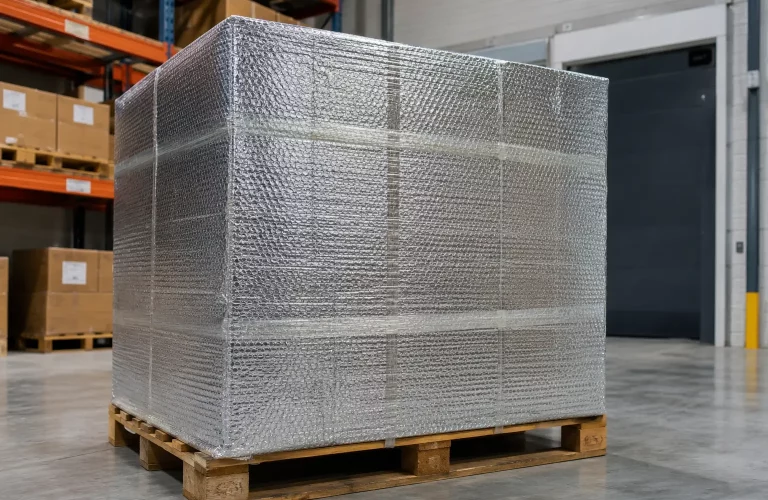
What is reflective bubble wrap and how does it protect palletized goods?
Reflective bubble wrap is a packaging material that combines an air-bubble structure with a reflective outer layer. This construction helps protect goods against impacts, abrasion and temperature changes during storage or transport. It is particularly useful for palletized goods that are sensitive to temperature, solar radiation or environmental fluctuations. It does …
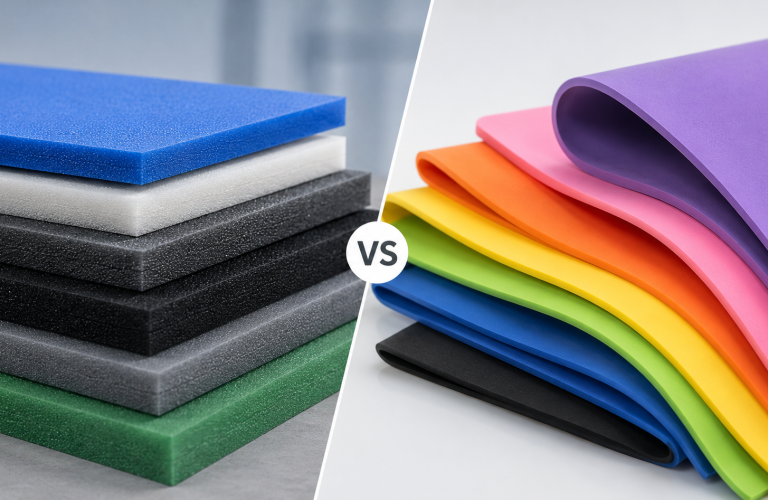
PE30 vs EVA Foam: Differences, Benefits and Which Material to Choose
PE30 and EVA foam are often compared when looking for a lightweight, durable material capable of absorbing impacts. At first glance, they may seem very similar. Both are closed-cell foams, easy to cut, and provide excellent resistance to moisture. In practice, however, they behave quite differently. PE30 is firmer and more …

Industrial packaging suppliers in Barcelona: criteria for choosing a strategic partner
Choosing between different packaging suppliers in Barcelona should not be based solely on the unit price. In industrial, logistics and e-commerce environments, packaging affects product protection, packing speed, transport costs and the image received by the end customer. At Foamland, we see this from a very specific position: we have been …

How to calculate packing time per order in your assembly line
In any logistics warehouse, just a few seconds saved on each order can add up to many working hours by the end of the week. That is why optimising packaging times has become one of the most important indicators for improving warehouse productivity. At Foamland, we have been manufacturing industrial packaging …
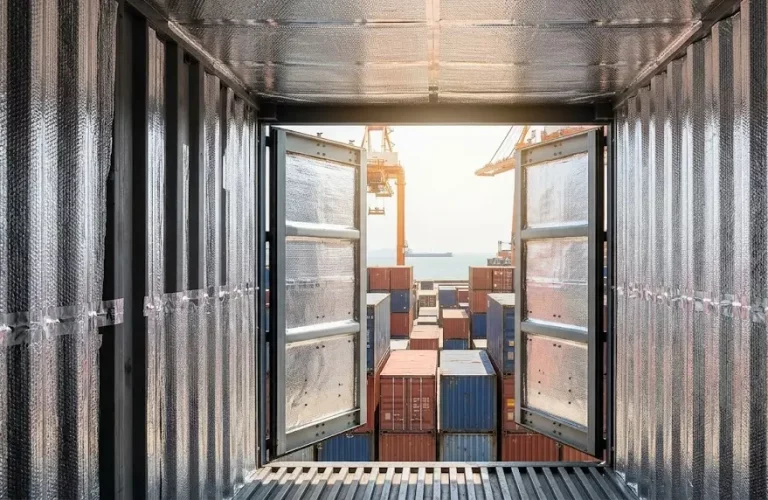
Thermal risks in maritime freight transport and how to avoid them
Maritime transport is one of the most efficient ways to move goods internationally. It is also one of the most demanding environments from a thermal perspective. During a voyage, a shipping container can experience low temperatures overnight before reaching extremely high temperatures after spending several hours in direct sunlight at a …
Reverse logistics: The role of bubble wrap in industrial returns
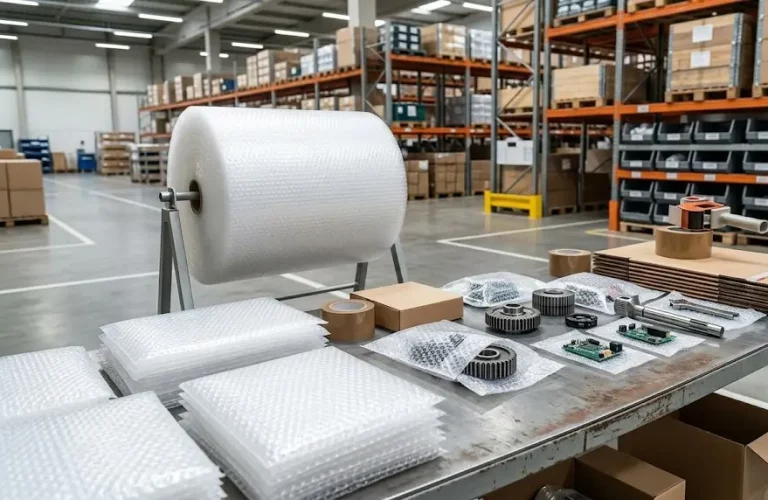
Reverse logistics is no longer a secondary issue. In many industrial companies, the return of goods is part of the real cost of selling, delivering and maintaining a stable relationship with the customer. When a product returns to the warehouse, it does not come back alone. It returns with an incident …
Will Bubble Wrap be banned from August 2026? What the new European Packaging Regulation really means
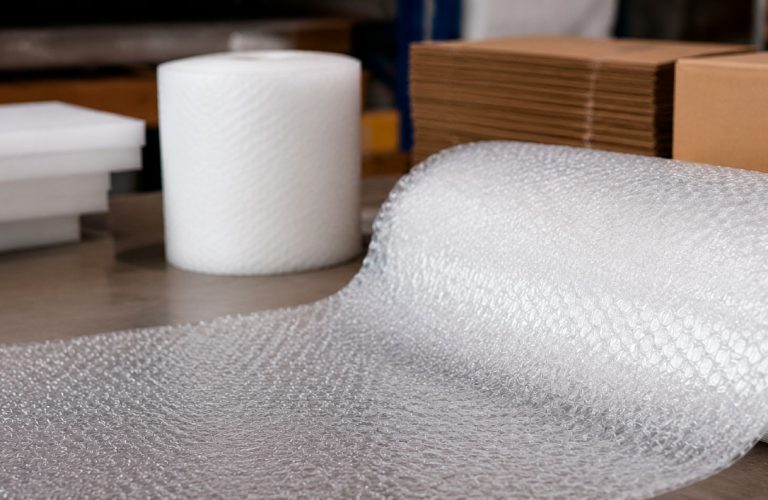
If you run a business, recent headlines about the “plastic ban” may have put you on alert. In our day-to-day conversations with clients, it is one of the main concerns: Will bubble wrap be banned from August 2026? The answer is simple: No. Bubble wrap is not being banned. What is …
Foam bags or bubble wrap bags: differences, advantages and when to use each one
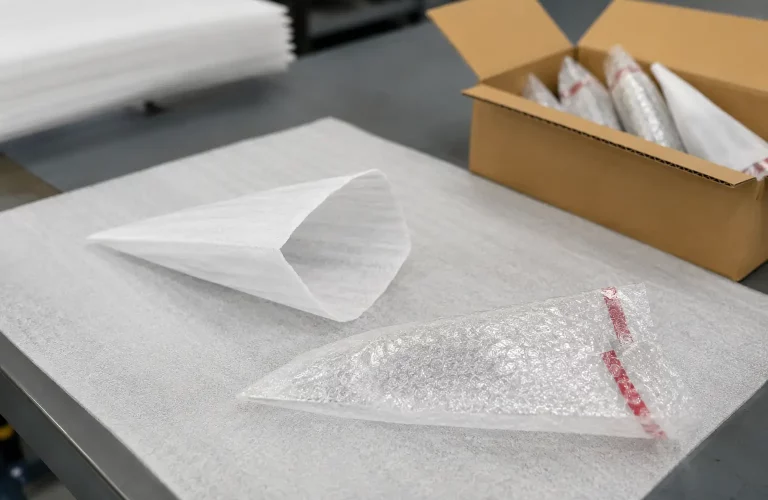
Foam bags and bubble wrap bags solve the same challenge: protecting products before, during, and after transportation. The difference lies in how they achieve that protection. At Foamland, we have been manufacturing packaging materials since 1987, and we know that choosing the right solution helps prevent marks, breakages, returns, and wasted …

How to pack machined parts to avoid bumps, scratches, and vibrations
Packaging for machined parts leaves no room for improvisation. A component may leave the machining centre in perfect condition and arrive damaged due to a simple friction point during transportation. At Foamland, we see this frequently. The problem is rarely a major impact; it is usually caused by repeated minor contacts: …